Fed Pauses Rate Cuts as Economy Shows Resilience, Inflation Lingers
The Federal Reserve held rates at 3.5-3.75% after three consecutive cuts, marking the end of the easing cycle that began in September 2025. Two governors dissented for further cuts. Here is the full read-through for fixed income, equities, and the macro outlook.
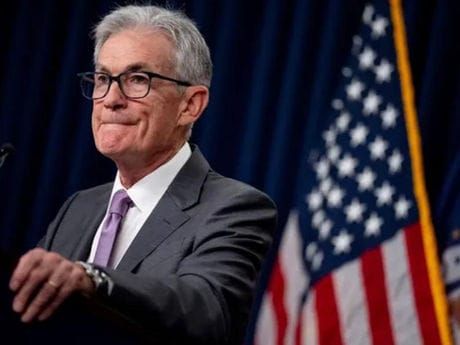
The Federal Reserve held its benchmark rate steady at 3.5-3.75% at the January 2026 meeting, following three consecutive 25 basis point cuts since September 2025. The FOMC statement noted the economy is 'expanding at a solid pace' — language that signals the committee has shifted from an easing bias to a genuinely neutral stance. The pause is significant not merely as a rate decision but as a signal about the Fed's assessment of the balance of risks.
The Dissent Signal
Governors Miran and Waller dissented, preferring an additional 25 basis point cut. This is the first visible split within the FOMC since the easing cycle began and it matters for two reasons. First, it signals that the 'pause' is contested rather than consensus — a minority believes the labour market softening warrants continued accommodation. Second, it provides information about the distribution of views within the committee: if the macro data softens from here, Waller's dissent gives him intellectual cover to move the committee toward renewed easing more quickly.
The Data Picture
The committee's decision is supported by the data: Q3 2025 GDP expanded at an above-trend pace; unemployment held at 4.4% in December — elevated from cycle lows but not alarming; and services inflation remains sticky at approximately 3.5% annualised. The December PCE print — the Fed's preferred inflation measure — showed core inflation at 2.6%, above the 2% target but declining. The committee is threading a needle: it has cut enough to support growth but not enough to re-ignite inflation. Whether it has calibrated this correctly will become apparent over the next two quarters.
What the Pause Means for Markets
For fixed income: the pause removes the near-term catalyst for a significant rally in long-duration bonds. The 10-year Treasury at approximately 4.5% prices in a soft landing with gradual normalisation. If that scenario unfolds, returns are positive but modest. The risk is that the Warsh nomination (announced subsequently) reprices the terminal rate higher, causing a significant mark-to-market loss on long-duration positions.
For equities: the pause is broadly supportive. The 'higher for longer but not higher' stance maintains a floor under the economy without threatening a tightening shock. Goldman Sachs' 2.5% GDP growth projection for 2026 and S&P 500 target of 7,600 are consistent with this policy backdrop. The key risk is that the pause stretches into a permanent hold if inflation proves stickier than the base case assumes.
The Longer-Term Rate Path
The futures market prices approximately one additional 25 basis point cut in H2 2026. This implies a terminal rate of 3.25-3.5% — meaningfully above the pre-COVID neutral rate estimate of 2.5% but below the peak of the current cycle. If this path is correct, the fixed income opportunity is in intermediate duration (3-7 years) rather than long duration, where the risk/reward is less favourable given term premium uncertainty. The Warsh nomination complicates this calculus considerably — a scenario that was previously the 5% tail risk has moved toward 30-40% probability.