Solomon Macro: A Static Analysis of Tariff War 2.0's Impact on China
A static analysis of Tariff War 2.0's quantitative impact on China. Assessment of trade flow disruptions, GDP drag estimates, and market positioning implications for investors with Chinese exposure.
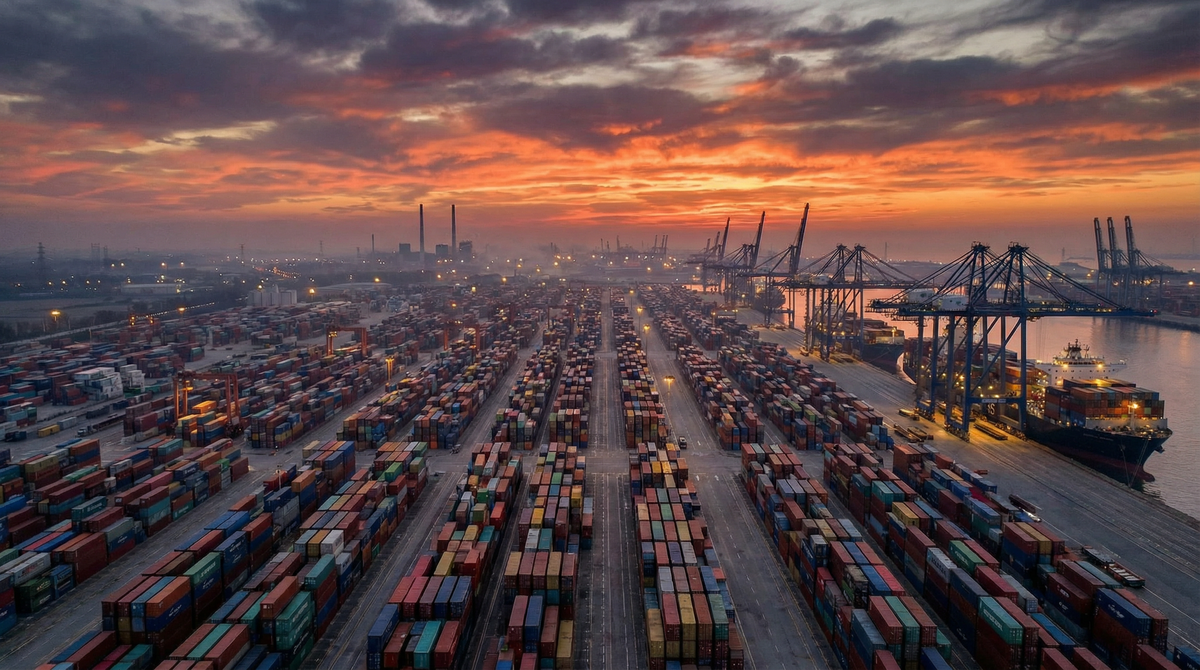
Following the announcement of sweeping US tariffs on global trade partners, this note attempts a static analysis of the first-order impact on China.
Trade flows: China's goods exports to the US represent approximately 3.5% of Chinese GDP. At a 25% tariff rate on affected categories, the direct GDP impact in a static model is approximately 0.8–1.2 percentage points of growth — material but not catastrophic.
The second-order effects are more uncertain: supply chain re-routing creates winners (Vietnam, Mexico, India) and disruption costs for Chinese manufacturers who cannot easily pivot. The firms most exposed are those with high US revenue concentration and limited pricing power to absorb tariff costs.
For equity investors, the initial selloff in China-exposed names likely overprices the static impact while underpricing the adaptive capacity of Chinese exporters who have navigated Tariff War 1.0. The more interesting question is whether retaliatory measures create investment opportunities in sectors China chooses to develop domestically — semiconductors and aviation components being the most obvious candidates.