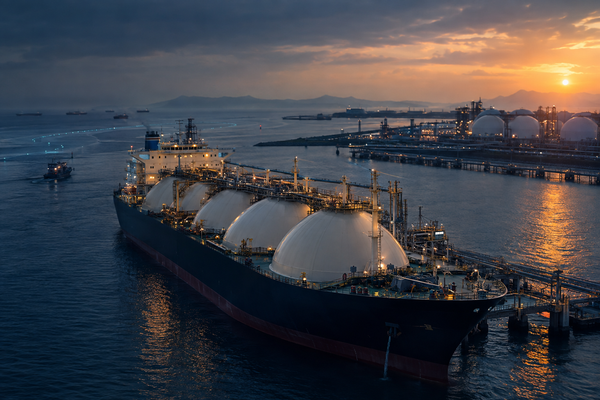
Venezuela's Upheaval and the Shadow Over Iran
Venezuela's 300 billion barrel oil reserve — the largest in the world — is now potentially accessible to Western capital for the first time in two decades. The geopolitical implications for Iran, OPEC discipline, and energy market structure are significant and underappreciated.
Venezuela sits on 300 billion barrels of proven oil reserves — the largest in the world, exceeding Saudi Arabia, Iraq, and Iran combined. For two decades under Chávez and Maduro, these reserves were effectively off-limits to Western capital: nationalisation of PDVSA, sanctions, and political risk made Venezuela uninvestable despite its extraordinary endowment. The capture of Maduro changes this calculus, though on a timeline measured in years rather than months.
The Iran Dimension
The Tehran-Caracas alliance, forged under Hugo Chávez in the 2000s and maintained through sanctions pressure, served several strategic functions for Iran: it provided a Western Hemisphere counterweight to US pressure, a channel for sanctions circumvention, and a diplomatic ally in multilateral forums. Maduro's capture severs this relationship. For Iran, the loss is strategically significant: its primary ally in the Americas is eliminated, its sanctions evasion channel through Venezuelan petroleum trades is disrupted, and the US has demonstrated a willingness to conduct direct action operations against allied sovereigns — a credible deterrent signal.
The Energy Market Structure
Venezuelan oil is heavy, sulphur-rich crude that requires sophisticated refining capacity to process. The Gulf Coast refineries that were designed for Venezuelan crude in the pre-sanctions era are currently processing alternative heavy crude from Canada, Mexico, and the Middle East. A Venezuelan production ramp-up — assuming political stabilisation, PDVSA restructuring, and Western investment — would take a minimum of five years to reach any meaningful scale, given the infrastructure deterioration of the past decade. The market impact is not a 2026 event.
The OPEC+ discipline implication is more immediate. Venezuela's potential return as a full-capacity producer — even on a multi-year timeline — changes the long-term supply curve assessment. Saudi Arabia and Russia must price the optionality of Venezuelan supply returning to market into their production decisions. This is moderately bearish for oil prices on a 3-5 year view.
Investor Positioning
The actionable portfolio implications: overweight energy infrastructure and services companies with Venezuelan exposure or expertise (Schlumberger/SLB, Halliburton, Weatherford) — these will be the first beneficiaries of any Venezuelan re-opening. Consider defence sector exposure, given the Iran deterrence signal and likely increase in regional security commitments. Watch Gulf sovereign credit spreads — if Iran's deterrence posture weakens as a result of the Venezuela development, the geopolitical risk premium in Gulf assets deserves compression. And monitor Venezuelan sovereign debt — currently trading at distressed levels — as the most leveraged expression of a political normalisation scenario.